How to Determine Your Junk Car Worth Before Selling
If you have an old car sitting in your driveway or garage, you might be wondering what it is worth. Most people assume a junk car is worth very little, maybe just a few hundred dollars at most. But the truth is more nuanced. The value of a junk car depends on many factors, from the current scrap metal market to whether any parts on the vehicle are still functional. Understanding your junk car worth before you talk to a buyer can put you in a stronger position and help you avoid leaving money on the table.
I have been in the automotive recycling industry for over a decade, and I have seen plenty of sellers get lowballed simply because they did not know what they had. A car that looks like a pile of rust to one person might have a valuable engine block, a rare transmission, or a set of alloy wheels that a hobbyist would pay good money for. In this article I will walk you through the practical steps to evaluate your junk car worth so you can sell with confidence.
Start With the Basics: Make, Model, and Year
The first thing any buyer will ask is what kind of car you have. The make, model, and year set a baseline for the vehicle's value, even in junk condition. A 1998 Honda Civic will have a different parts demand than a 2005 Ford F-250. Older cars from the 1980s and 1990s often have simpler electronics and fewer proprietary components, which can make them more attractive to scrap yards and DIY mechanics. Newer cars, especially those from luxury brands, might have valuable catalytic converters, airbag modules, or even intact infotainment systems.
Do some quick research on sites like Craigslist or Facebook Marketplace to see what similar junk cars sell for in your area. Look for listings that say "for parts" or "not running." That will give you a rough ballpark. But remember, online asking prices are not always what the car actually sells for. You want to see what similar cars have sold for, not just what people are asking.
Assess the Condition Honestly
Your car's condition is the biggest swing factor in its junk car worth. A car that still runs, even poorly, is worth more than one that has a seized engine. A car with a clean title that can be sold as a whole vehicle to a cash-for-cars service might fetch a higher price than one that has to be scrapped piece by piece. Go through each major system and make notes.
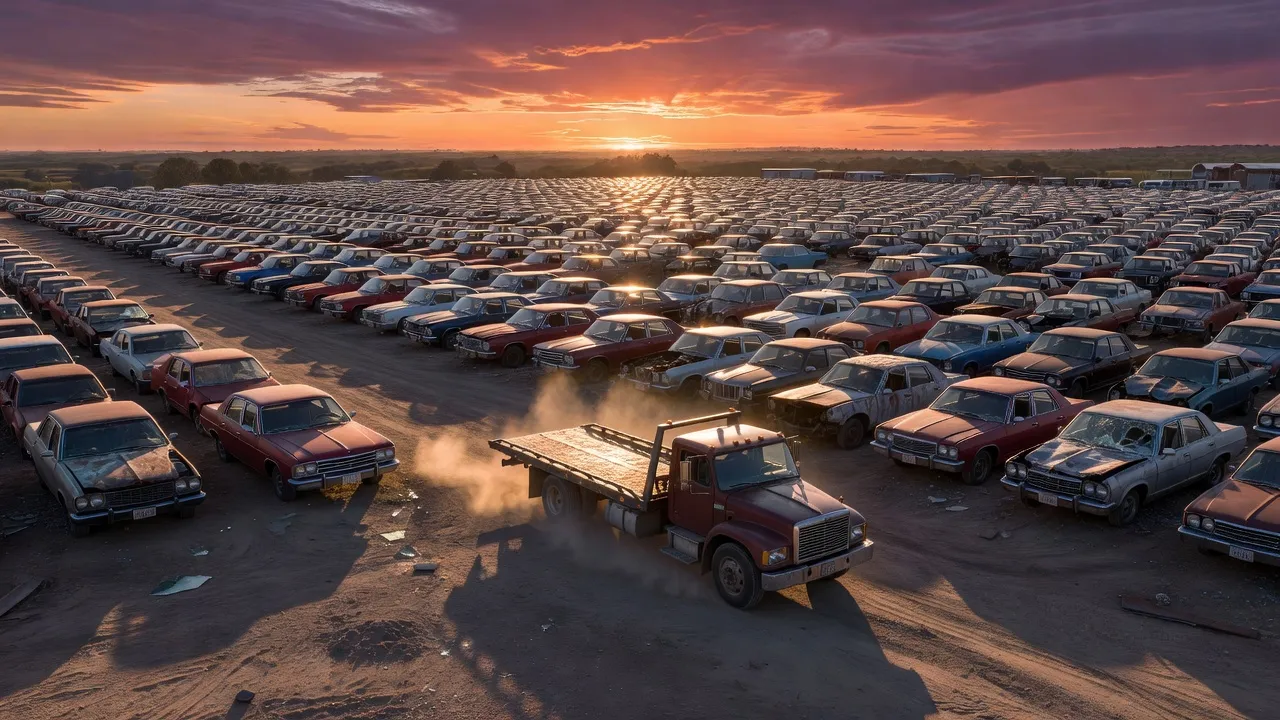
Start with the engine. Does it turn over? Does it start? If yes, even if it runs rough, that is a major plus. Next, check the transmission. Does the car shift into gear? Does the clutch work (if manual)? Then look at the body. Is the frame straight? Are there major dents or rust holes? How about the interior? A decent set of seats or a working climate control system can add value.
Also consider the battery, tires, and any aftermarket modifications. A set of nearly new tires can be sold separately. A custom sound system might be worth a couple hundred dollars if it still works. Be thorough, because every functional component adds to the total.
Know the Scrap Metal Market
At its most basic level, a junk car is a pile of metal. Scrap yards pay by weight, and the price per ton fluctuates with global commodity markets. Steel, aluminum, copper, and brass all have different prices. Most of the car is steel, which is relatively cheap. But components like the radiator, alternator, and wiring harness contain copper and brass that are worth more. The catalytic converter contains precious metals like platinum, palladium, and rhodium.
You can call local scrap yards to get current prices for light iron, heavy iron, and non-ferrous metals. That will give you a floor for your junk car worth. Even if you sell the whole car to a scrap yard, you should know the weight of the vehicle (roughly 3,000 to 4,000 pounds for an average sedan) and multiply by the current price per pound. That is the absolute minimum you should accept if you go the scrap route.
Consider Selling Parts Separately
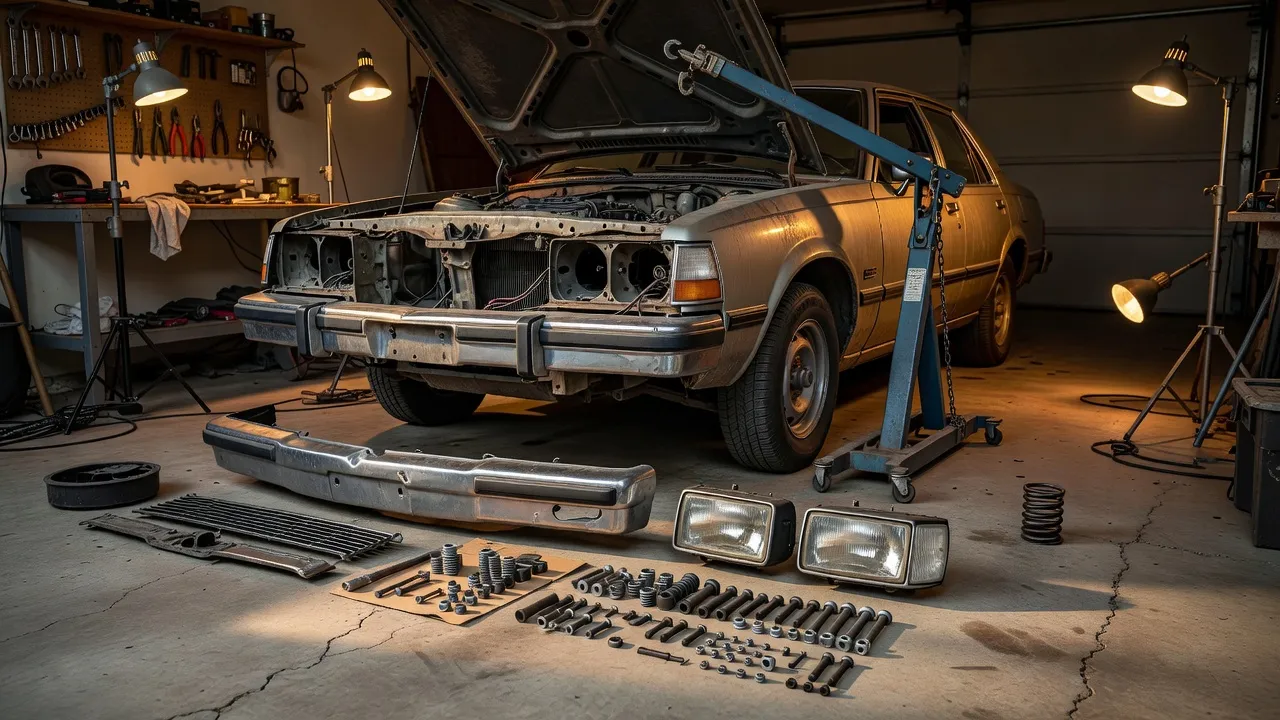
This is where you can maximize your return, but it takes more time and effort. If you have the space and the patience to pull parts yourself, you can often make two to three times what you would get by selling the whole car as scrap. Popular parts that sell well include the engine, transmission, alternator, starter, power steering pump, air conditioning compressor, and any electronic modules like the ECU or radio head unit.
Online marketplaces make it easy to list individual parts. Take clear photos and write honest descriptions. Include the part number if you can find it. Price competitively by checking what others are asking for the same part. Be prepared to ship, but also offer local pickup to avoid shipping costs.
One thing to keep in mind: if you sell the whole car to a buyer who plans to part it out, you are effectively selling them the opportunity to do that work. So you should get a cut of that higher value, not the scrap price. That is why understanding your junk car worth before you negotiate is so important.
Factor in the Cost of Towing
If your car does not run, you will need to pay for a tow truck to get it to a buyer or scrap yard. Towing fees can range from $75 to $150 depending on distance. Some buyers offer free towing, and that is a real benefit. But do not let free towing blind you to a low offer. A buyer who offers $300 including free towing might actually be paying you less than a buyer who offers $250 but charges you $100 for towing. Always compare net proceeds, not gross offers.
On the other hand, if the car runs, you can drive it to the buyer and save that expense. That alone can add a couple hundred dollars to your effective take-home. So if you can get the car running with a simple fix, like a new battery or a jump start, it might be worth the effort.
Get Multiple Quotes
This is the single most important piece of advice I can give. Do not accept the first offer you get. Call three to five different buyers. These could be scrap yards, junkyards, cash-for-cars services, or private mechanics. Each buyer has a different business model. A scrap yard values the car for its metal. A junkyard values it for parts. A private mechanic might want the whole car to fix up. Because their incentives differ, so will their offers.
When you call, be ready to describe the car accurately. Have your make, model, year, condition notes, and any photos ready. A buyer who can see the car in person will give a more accurate quote, but a phone call with good details can give you a solid estimate. Keep records of each quote and the name of the person you spoke to.
Beware of Scams and Lowball Offers
Sadly, the junk car market attracts some less-than-honest operators. A common tactic is to offer a low price over the phone, then when the tow truck arrives, the driver claims the car is in worse shape than described and offers even less. They count on you feeling pressured to get rid of the car right then. To protect yourself, get the offer in writing or on a recorded line. If the driver shows up and tries to renegotiate, have the phone number of another buyer ready to call.
Another scam: buyers who promise to pay after they pick up the car, then never send the check. Always insist on payment at the time of pickup. Cash is safest. If they want to pay via app or check, wait until the funds clear before letting the car go.
When to Sell Whole vs. Part Out
As a rule of thumb, if you have the time and space to part out the car, you will make more money. But if you need the cash quickly and do not want the hassle, selling the whole car to a reputable buyer is fine. The key is knowing which option fits your situation. If the car is a common model with low demand for parts, selling whole might be the better move. If it is a rare model or has a desirable engine, parting out could be worth the extra effort.
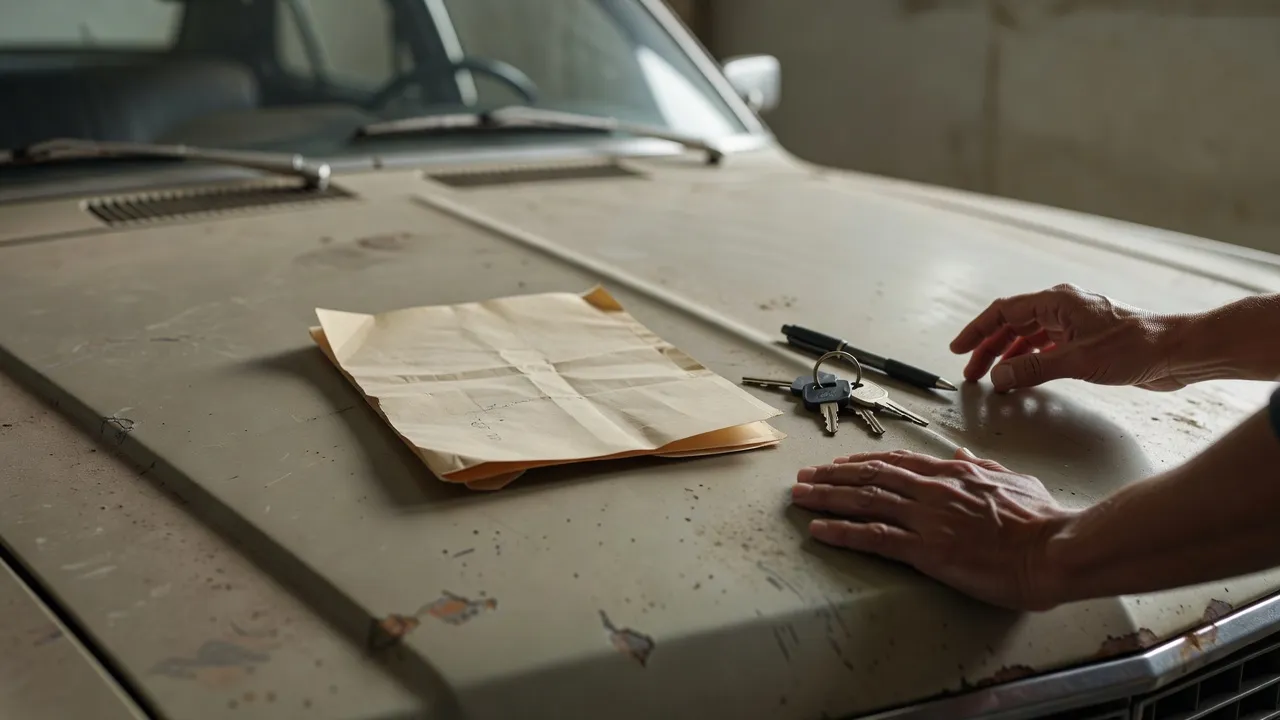
One last thing: do not forget about the value of the title. In most states, you need a signed title to sell a car legally. If you have a lost title, you can usually get a duplicate from the DMV for a small fee. A car with a clean title is worth more than one without, because the buyer can resell it as a whole vehicle. If you do not have a title, you might have to sell it as scrap only, which lowers the price.
Putting It All Together
Determining your junk car worth is not a single number but a range. Start with the scrap value as your floor. Add the value of any functional parts or systems. Subtract the cost of towing or any fees. Then compare offers from multiple buyers. If you do that, you will be in a good position to sell your junk car for a fair price, not a cheap one.
I have seen people walk away with twice what they expected just because they took the time to research and get multiple quotes. The effort pays off. And remember, buyers are in business to make money. They will not tell you if your car is worth more than they offer. That is your job to figure out. So do your homework, be honest about the condition, and do not be afraid to say no to a bad offer.